
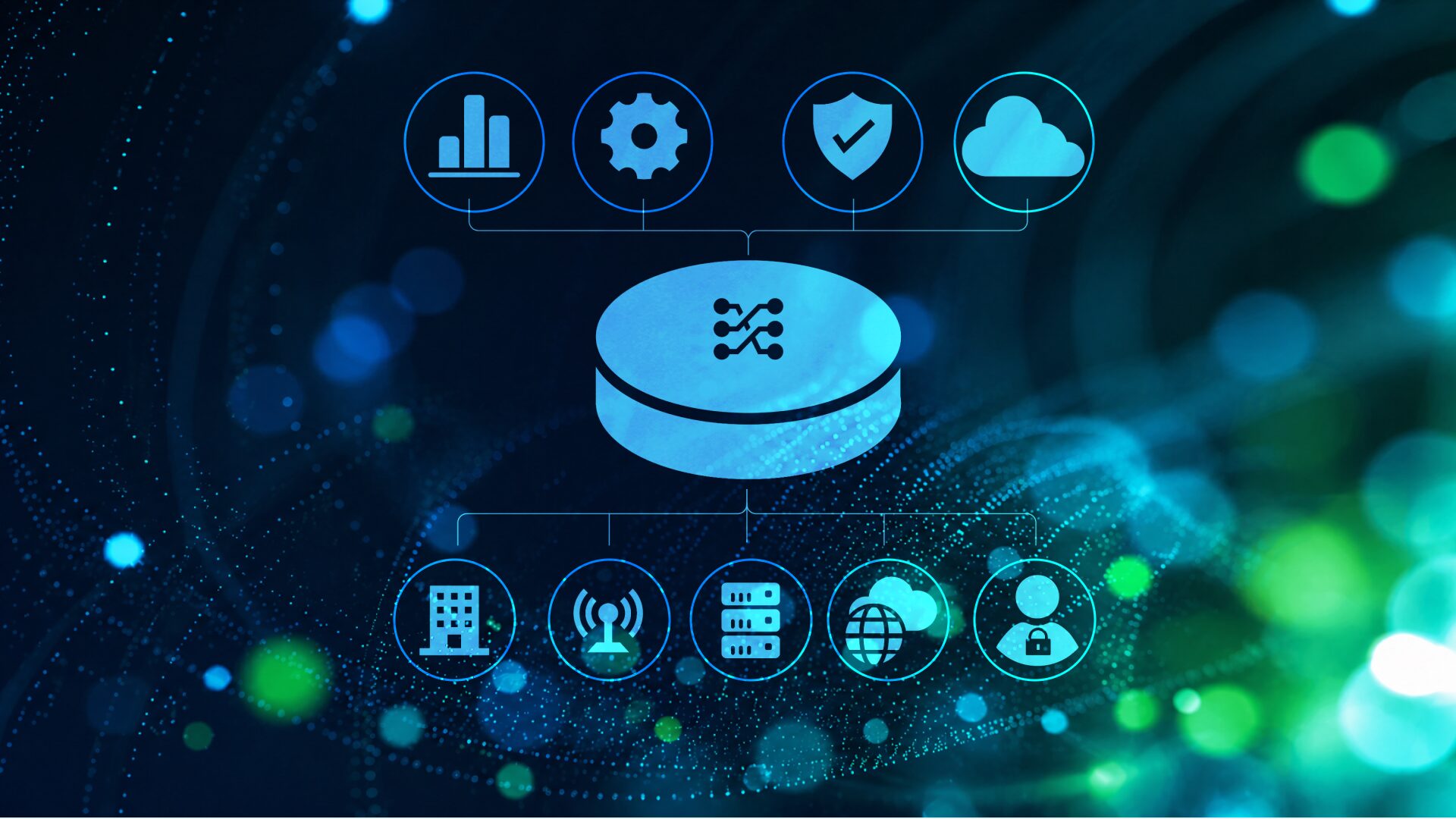

The core of the retail industry is selling products and services to consumers through stores and e-commerce. Retailers can leverage Alkira Cloud Networking as a Service, build a secure multi-cloud/multi-region retail network for customers, and enhance their customer’s experience by keeping their supply chains agile and efficient.
Let’s take a look at some of the Retail Customers’ challenges:
Retail Product Pricing
Product pricing is vital for retailers to influence the consumer’s decision to buy the product. To keep a competitive edge, retailers need to be aware of market prices and analyze the sales trends and the profit margin. Cloud-based retail solutions help retailers dynamically update the store and online prices based on this data and remove the overhead for data specialists to do this manually.
Product Inventory Management
One of the biggest challenges retailers face is managing inventory for their products. Cloud-based solutions can provide retailers with significant advantages like having information available in real-time about their inventory levels and being able to monitor and also track the inventory.
Remote Warehouse Management
Warehouse management is another challenge for Retails. Since cloud-based retail solutions track product inventory levels in real-time, retailers can manage the warehouses remotely. Retailers can do this remotely through applications that automatically check the volume and update inventory levels.
Product Recommendations
Retailers need to make personalized product recommendations to their consumers based on their buying history. The personalized recommendation help increase sales for retailers but also requires analyzing a lot of data efficiently. Cloud-based retail applications can help with this by managing and monitoring this data more accessible.
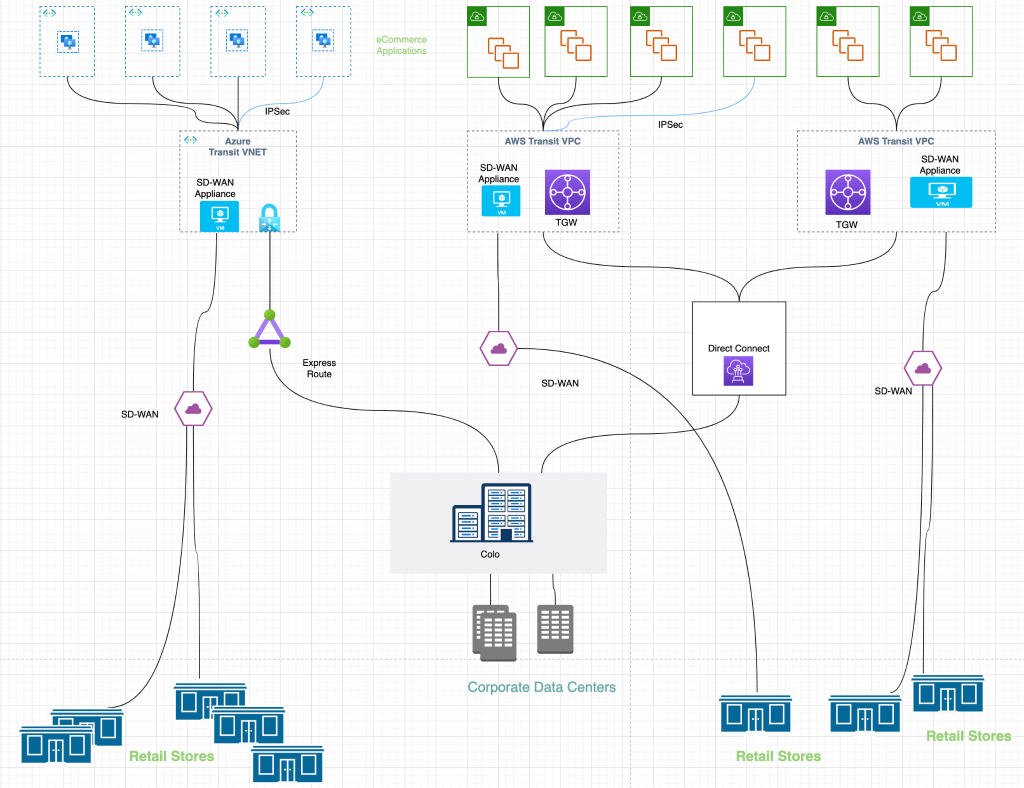
Figure 1: Retail Cloud Network Architecture Example
Technical Requirements
On-prem to cloud connectivity
Retailers usually have brick-and-mortar stores and process payments for their customers, which are stored in the cloud. Also, retailers have warehouses where they store and hold inventory and have software applications that manage their inventory.
Reliable connectivity is required from these locations to the cloud, which includes a low latency, and highly available connections to achieve seamless connectivity to the cloud.
Handling High Volume Database Transactional Queries
Customer product recommendations involve large data sets that need to be processed quickly. The network needs to support these enormous traffic flows to access large datasets stored in the cloud that would require high BW connections from on-premise to the cloud.
Security – Traffic Inspection for PCI DSS compliance
Whether the retailers have a presence in the physical store or online, secure connections are required to the application where payment card information is processed; Retailers need end-to-end encryption to secure this information. To fulfill the requirement, retailers must be compliant with Payment Card Industry Data Security Standard (PCI DSS).
Ingress Traffic for eCommerce website
Retailers host eCommerce websites in cloud environments. Traffic to eCommerce websites must be inspected to prevent malware attacks and monitor the incoming traffic flows.
Alkira Solution for Retail Industry
Alkira Cloud Networking is the first global unified multi-cloud network delivered as-a-service. Alkira seamlessly solves all the retailer’s network requirements and challenges mentioned above. Alkira allows retail customers to quickly onboard their on-premise infrastructure by leveraging various methods, including AWS Direct Connect, Azure Express Routes, and IPsec/SD-WAN Connections from their DCs, or the retail stores into the Alkira Cloud Exchange Points. At the same time, customers also connect their cloud workloads (VPCs, VNETs) to the Alkira Cloud Exchange Points achieving seamless high-bandwidth multi-cloud connectivity for eCommerce applications. Alkira’s solution also allows customers who would like to inspect the traffic between on-premise to cloud or multi-cloud environments to use a policy-driven framework to inspect traffic as per the requirements.
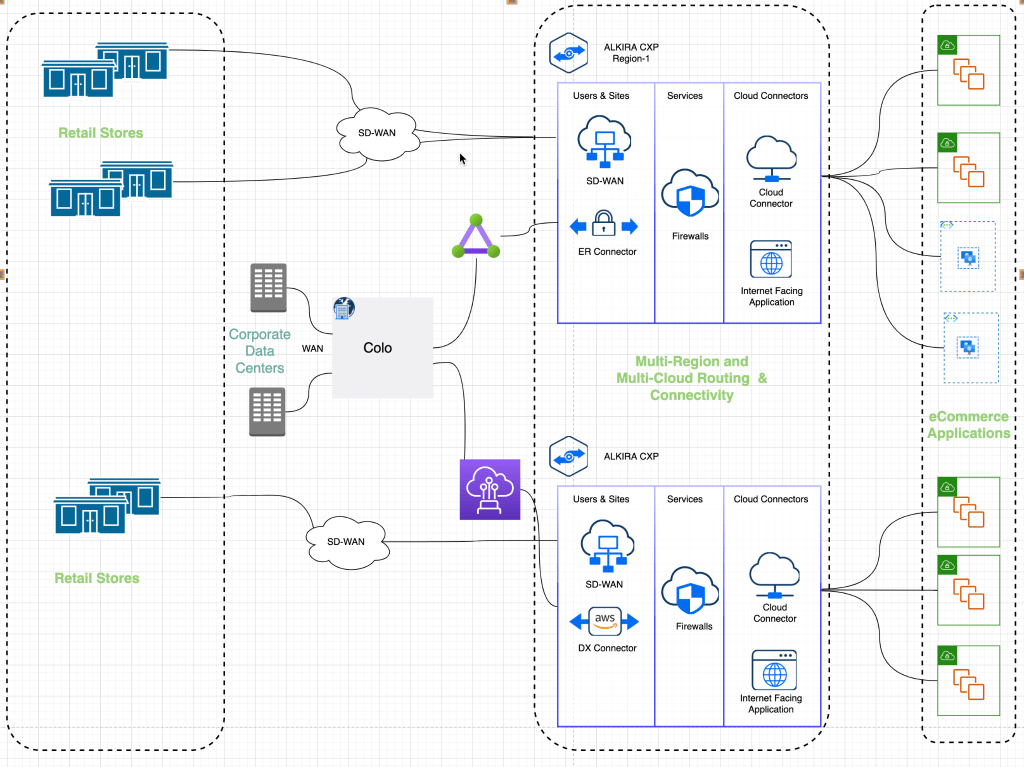
Figure 2: Alkira Cloud Networking as a Service for Retail Applications
The above architecture diagram shows a high-level topology for a typical retail company leveraging Alkira Cloud Networking as a Service. Retail stores, data center/ colocation, and third-party clients would build connectivity into the Alkira CXP using private connections like Direct Connect or Express Route or IPsec connections, or SD-WAN connections on the on-premises side. The connections will be from the VPCs/VNETs where the retail applications exist on the cloud side. These VPC/VNETs will build connectivity to the CXP. Once this is completed, end-to-end connectivity is established between the on-premises and cloud environments.
Another feature here is the internet-facing application used for eCommerce website access from any user on the internet, and that traffic is being inspected through the FW hosted in the Alkira CXP. Customers can also choose to inspect traffic using the firewall as per their requirements using Alkira’s policy-driven framework.
Alkira Solution Benefits
Latency
Customers can connect to the Alkira CXP in the nearest region depending on where the applications exist and then leverage Alkira Backbone to have low latency while connecting to these applications. This can help with applications that are latency sensitive and help with efficient connectivity.
High availability and Redundancy
Alkira infrastructure is highly resilient and redundant and can spread across multiple regions, and availability across multiple clouds like AWS, Azure, GCP, OCI, etc. This will allow the providers to meet their critical SLA requirements.
Seamless Firewall Integration
Alkira provides seamless integration with vendors like Fortinet, Check Point, and Palo Alto for traffic inspection for any type of traffic flow. Financial companies get a significant advantage as they don’t have to bring up firewalls depending on traffic flow. Also, functionality like autoscaling comes as part of the solution, which helps to scale up or down depending on the requirements.
For more details, please refer to this blog about multi-cloud inline traffic inspection.
Automation with Terraform
Network Infrastructure deployment at a large scale requires automation, and Alkira helps to solve this wherein the customer can use terraform to provision the network infrastructure for Alkira.
Conclusion
Alkira Cloud Networking as a Service infrastructure provides retail companies with an easy and secure solution with all the regulatory compliance requirements.
Reach out and schedule a demo today to learn more about how Alkira can help simplify cloud area networking for your organization. You can also try our Cloud Insights tool for free, giving instant inventory and insights into your cloud networking resources.
About the Author : Ahmed Abeer & Deepesh Kumar

Ahmed Abeer