
How does Alkira help manage an enterprise partner ecosystem?
Alkira's cloud networking platform enables organizations to securely and efficiently manage partner access by leveraging advanced network segmentation, end-to-end visibility, and flexible policy controls. With Alkira, IT teams can create dedicated network segments for partners, ensuring they have access to the resources they need without exposing sensitive internal data. The platform's single-pane-of-glass interface provides comprehensive visibility and control, making it easy to adapt as partner ecosystems grow and evolve. For more details, see the original page.
What are the main challenges Alkira solves for partner connectivity?
Alkira addresses several key challenges in partner connectivity, including:
Securing partner access without exposing core business networks.
Reducing the complexity and inflexibility of legacy networking tools.
Providing rapid, frictionless, and secure onboarding for new partners.
Delivering centralized visibility and control across multi-cloud and hybrid environments.
Alkira's cloud-native approach eliminates manual configurations and long provisioning times, enabling organizations to quickly adapt to changing partner requirements.
What use cases does Alkira support for partner ecosystem management?
Alkira supports a variety of use cases for partner ecosystem management, including:
Secure B2B partner connectivity with network segmentation.
Multi-cloud and hybrid cloud networking for distributed partner environments.
Rapid onboarding and offboarding of partners as business needs change.
Centralized governance and visibility for compliance and auditing.
These resources offer insights into leveraging Alkira for partner management and network segmentation.
Features & Capabilities
What features does Alkira offer for network segmentation and partner access?
Alkira provides advanced network segmentation capabilities, allowing organizations to create isolated network segments for partners, business units, or applications. The platform offers:
End-to-end visibility across all network segments.
Single-pane-of-glass management for monitoring and control.
Integrated security features, including Zero Trust Network Access (ZTNA) and next-generation firewalls.
Drag-and-drop interface for easy network design and deployment.
These features enable secure, flexible, and scalable partner connectivity. Learn more at Alkira's Platform Page.
How does Alkira simplify multi-cloud and hybrid cloud networking?
Alkira eliminates the complexity of multi-cloud and hybrid cloud networking by providing a true abstraction layer over cloud providers' infrastructure. This allows for single-click provisioning, automated routing, and seamless integration across on-premises and cloud environments. The platform's global backbone-as-a-service reduces deployment times from months to minutes and supports rapid scalability as business needs evolve.
What integrations does Alkira support with other technology providers?
Alkira integrates with a wide range of technology partners to enhance security, automation, and network management. Supported integrations include:
Does Alkira provide APIs for integration and automation?
Yes, Alkira offers APIs, including billing APIs that provide real-time cloud network cost data. These APIs can be integrated with cost management tools and dashboards, supporting automated monitoring and optimization of cloud costs. More details are available at this page.
What technical documentation is available for Alkira's solutions?
Consumption-Based Pricing: Pay-as-you-go based on usage of network elements, services, and traffic.
Commitment-Based Pricing: Fixed pricing for predictable budgeting.
Pricing is determined by the quantity and size of network elements, connectors, firewalls, and data egress. Customers can view live pricing details from the portal or via APIs. For more information, visit Alkira's Pricing Page.
Implementation & Support
How quickly can Alkira be implemented for partner ecosystem management?
Alkira enables rapid implementation:
Proof of concept can be set up in as little as 4 hours.
Full production deployment typically takes about 8 weeks.
The platform's drag-and-drop interface and dedicated training resources make onboarding straightforward, even for non-technical users. Learn more at Alkira Training Platform.
What support and training does Alkira provide?
Alkira offers:
Dedicated Training Platform: Detailed guidance, demos, and resources.
24×7 Monitoring: Continuous monitoring to ensure SLA commitments.
Dedicated Support: Contact [email protected] or open a support ticket for assistance.
Diagnostics Dashboard: Live troubleshooting and network flow visibility.
These resources ensure smooth adoption and ongoing support.
How does Alkira handle maintenance, upgrades, and troubleshooting?
Alkira provides proactive notifications for planned or emergency maintenance, a diagnostics dashboard for troubleshooting, 24×7 monitoring, and dedicated support to minimize downtime and operational disruptions.
Performance & Business Impact
What business impact can I expect from using Alkira for partner ecosystem management?
Alkira delivers measurable business impact, including:
Up to 96% reduction in cloud setup time.
47% reduction in network management time.
Up to 40% lower Total Cost of Ownership (TCO) compared to traditional solutions.
Enhanced security, scalability, and business resilience.
These outcomes are supported by customer testimonials and case studies. For more, see this page.
What feedback have customers given about Alkira's ease of use?
Customers consistently praise Alkira for its intuitive interface and rapid deployment:
"The IT DIY approach was going to take 6 months to be secure and redundant and all. Alkira did it for us in 3 days, and at very low cost." – Network Architect, Large Manufacturer
"We met with Alkira, and after about an hour of us explaining what we needed, we created a POC – and stood that up in a morning. Design-to-POC-setup in about 4 hours." – Sr. Director, Network Architect, Financial Company
"We had gone from a mass of complexity and months of work to a dashboard that allowed us simply to draw our network and deploy it in a few hours." – Matt Hoag, CTO at Koch Industries
How does Alkira compare to other cloud networking solutions?
Alkira differentiates itself from competitors in several ways:
Aviatrix: Focuses on orchestration overlays and requires deep cloud expertise. Alkira provides a true abstraction layer, single-click provisioning, and end-to-end solutions for both cloud and traditional use cases.
Prosimo: Application-centric networking with limited traditional network support. Alkira offers full-stack networking and security for both cloud and traditional environments.
Nefeli: Agent-based solutions with manual configurations. Alkira eliminates manual setups with automated routing and a unified platform.
Cato: SD-WAN focused, limited multi-cloud support. Alkira provides a global backbone-as-a-service for multi-cloud and hybrid environments with integrated security.
For more details, see the competitor comparison table in the company context.
Why should I choose Alkira over alternatives?
Alkira offers:
A true abstraction layer leveraging cloud providers' infrastructure.
Integrated security features like ZTNA and next-generation firewalls.
Drag-and-drop ease of use and rapid deployment.
Vendor-agnostic flexibility and comprehensive visibility.
Measurable ROI and cost savings.
These strengths make Alkira a leader in simplifying multi-cloud networking and partner ecosystem management. Learn more at this page.
Customer Success & Industries
Can you share examples of customers using Alkira for partner ecosystem management?
Yes, Alkira has enabled successful partner and ecosystem management for organizations across industries:
Michaels: Transformed its network across 1,400 stores, ensuring secure and seamless partner connectivity. Read the case study.
Koch Industries: Simplified multicloud networking and improved agility. Watch the video.
Warner Hotels: Enhanced B2B connectivity and guest experiences. Watch the video.
SITA: Integrated on-premises and cloud environments for the aviation industry. Watch the video.
What industries are represented in Alkira's case studies?
Alkira's solutions are used in manufacturing, retail, healthcare, telecommunications, financial services, biotechnology/life sciences, software technology, media & entertainment, and aviation. For industry-specific examples, visit Alkira's Customers Page.
Company Information & Vision
What is Alkira's vision and mission?
Alkira's vision is to transform enterprise connectivity by simplifying cloud networking for the AI era. Its mission is to eliminate the complexity of traditional hardware-dependent networking by providing a cloud-native solution that seamlessly connects hybrid and multi-cloud environments through a unified control plane. Learn more at Alkira's Company Page.
Who is Alkira's target audience?
Alkira serves mid-to-large enterprises across diverse industries. Target roles include Network Architect, Cloud Architect, Security Architect, IT Manager/Director, CloudOps, VP, CTO, CIO, and CISO. The platform is designed for both technical and business decision-makers seeking to simplify and secure cloud networking.
What recognition and awards has Alkira received?
Alkira has been named among America’s Best Startup Employers by Forbes, recognized as a Gartner Cool Vendor, and received the 2024 Excellence Award from Cloud Computing Magazine. It was also listed on CRN’s 2023 Stellar Startups List. For more, visit Alkira's Company Page.
Managing an Enterprise Partner Ecosystem with Alkira Cloud Networking
Summarize with AI
IT leaders operating enterprise-class networks face many challenges beyond just initial connectivity. For many organizations, the network infrastructure must serve multiple audiences. One of the most important to the business is the coalition of partners.
How can you ensure that partners can reach the resources they need, without exposing the core network of the business or sensitive internal data?
Read on to learn how Alkira Cloud Networking as a Service can help modernize networking and empower IT leaders to effectively manage B2B partner access.
Maximum Cloud Networking visibility unlocks the potential of Network Segmentation
Managing partner connectivity, access, and permissions falls into the realm of Network Segmentation.
But using traditional telco-based legacy networking tools makes achieving true segmentation a costly, inflexible, and time consuming process.
The optimal Partner experience is one that’s fast, frictionless, and secure. The network also needs to be flexible enough to change as the business and its partner ecosystems grow and evolve in complexity. Unfortunately, legacy networking solutions and protocols, often rooted in decades-old technologies, were not built to deliver anything like this.
Enter Cloud Networking. With networking that’s built in the Cloud and engineered with today’s Cloud ecosystems in mind, businesses can completely modernize their approach to Partner access.
Network Segmentation becomes truly unlocked and can live up to its full potential when backed with the next-generation levels of visibility and control provided by Cloud Networking as a Service.
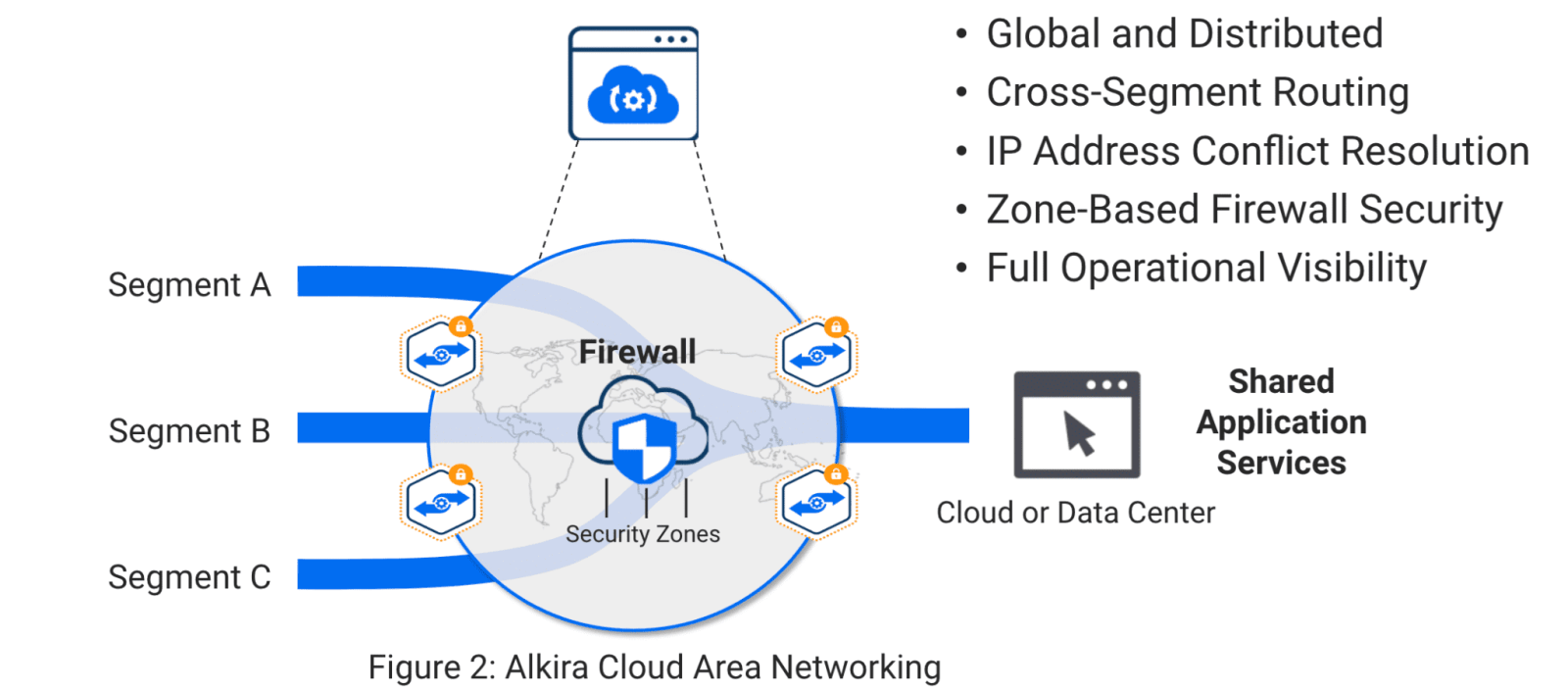
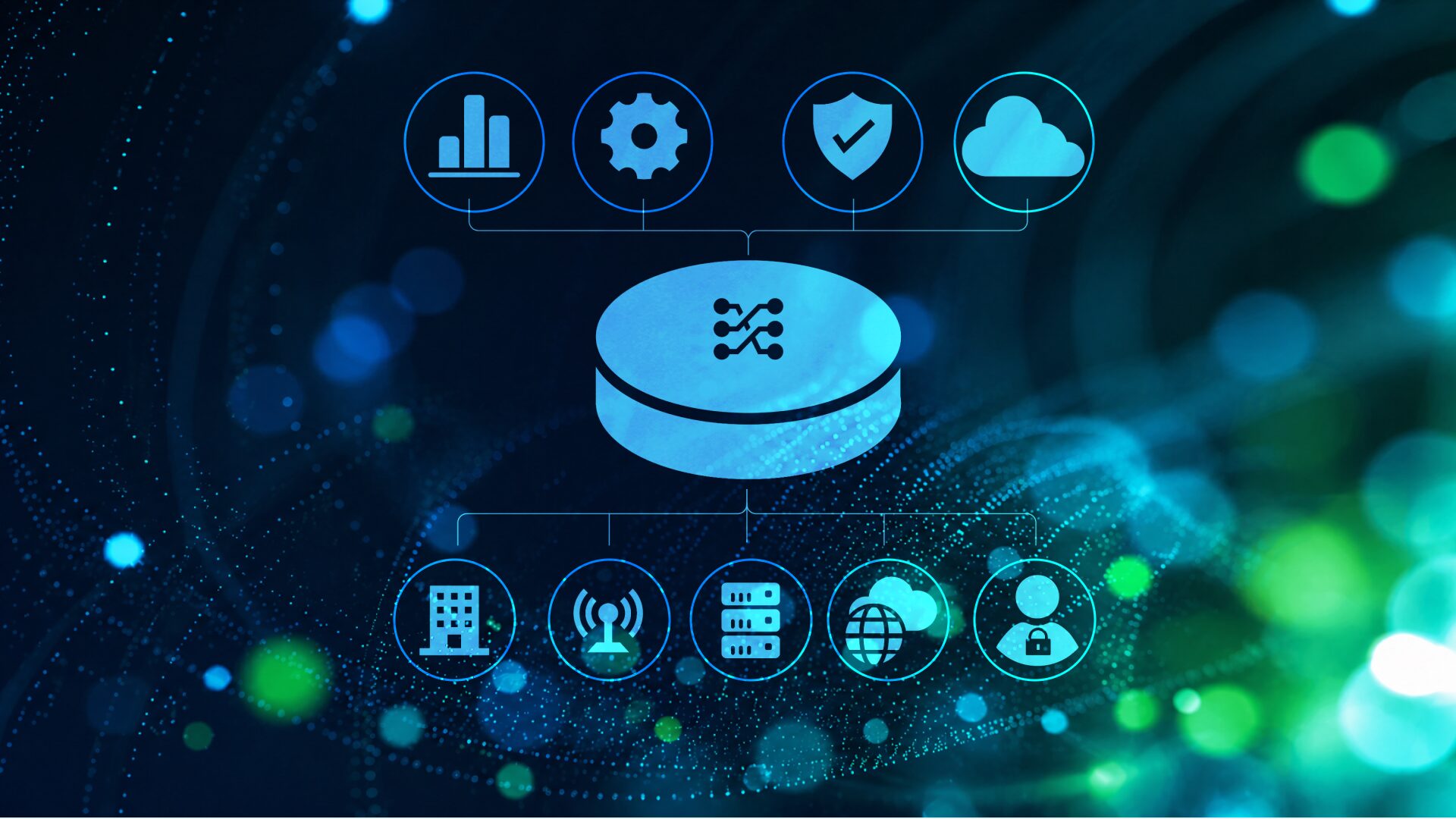
Take the Alkira Cloud Networking as a Service platform as an example. The Alkira experience delivers complete end-to-end visibility across the entire cloud network. Every segment, connection, cloud, and service is visualized in Alkira’s unique cloud networking design canvas.
Finally, a single pane of glass that breaks down silos and shows all aspects of cloud networking- east to west, north to south, ingress and egress, and everything in between.
Best of all, Cloud Networking as a Service is flexible, responsive, and delivered entirely as a service. This means IT can now tailor the network to meet specific needs of any given network segment, including partners.
Contrast that to the legacy status quo: long provisioning times, inflexible connections and protocols, and a lack of centralized visibility. As networks continue to grow and partner ecosystems become more distributed and diverse, the old model cannot keep pace.
Resources for Partner Management with Cloud Networking
At Alkira, many of our customers faced challenges managing their partner access. They seek to improve their cloud networking to deliver the best possible experience for partners. All while keeping the core network infrastructure safe and secure.
There are several aspects of Cloud Networking as a Service that Alkira customers utilize to manage their partner segments. Check out these previous blogs to learn more:
Cloud Networking Design Patterns with Segmentation and Micro-Segmentation: It is challenging to create segmentation for workloads in the cloud. It is even harder to do the segmentation in the Multi-Cloud environment. There is no policy-driven option to create multiple security domains provided by the cloud providers, i.e., AWS, Azure, GCP, etc. At Alkira, we dramatically simplify and streamline cloud network segmentation across multi-cloud architectures
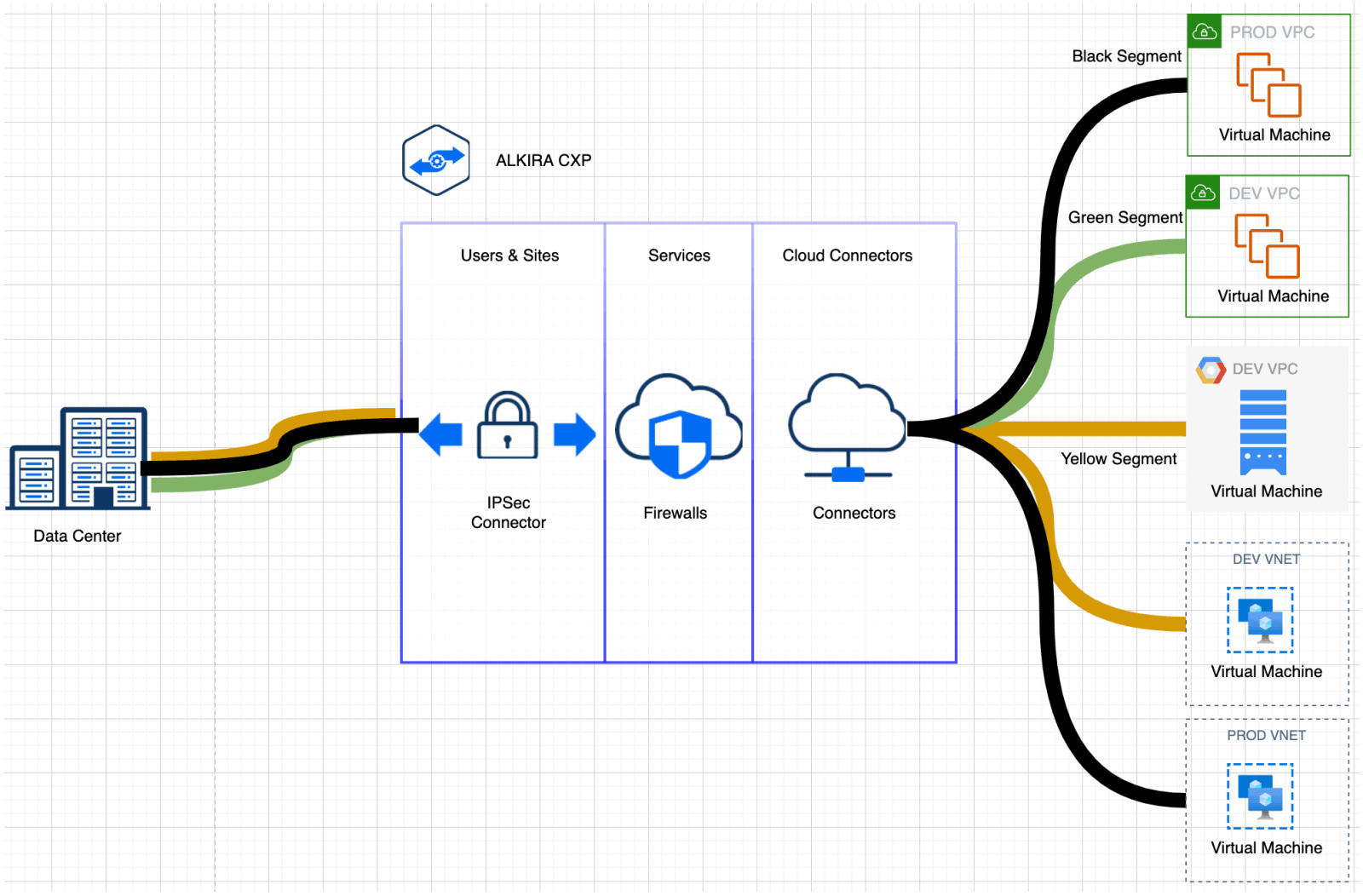
Connect and Deploy in a Click: Alkira Cloud Networking as a Service includes full integrations with leading technology providers such as Cisco, Fortinet, HPE Aruba, Palo Alto, Checkpoint, and more.
Experience Alkira Cloud Networking as a Service Today
Reach out today and we will be happy to schedule a demo and show you firsthand how easy it is to modernize networking with Alkira Cloud Networking as a Service. Request a demo now!
Erik Radvon is Senior Product Marketing Manager at Alkira, where he helps to tell the story of Alkira Cloud Networking as a Service and how it revolutionizes connectivity for the multi-cloud world. Erik is a longtime technology professional, with 15+ years experience helping customers modernize their infrastructure and deliver better business outcomes. Prior to Alkira, Erik worked in converged and hyper-converged infrastructure at Dell Technologies, as well as playing lead roles in growing marketing for data centers, managed services, and cloud connectivity providers. Based in Boston, Massachusetts, Erik also has an accomplished background in journalism and creative writing.
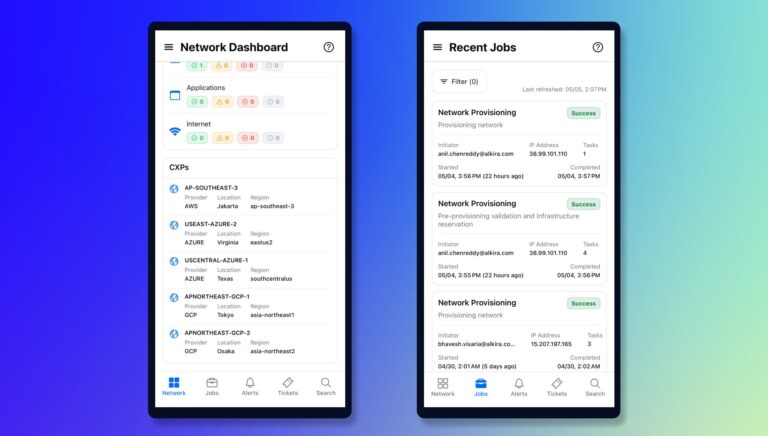
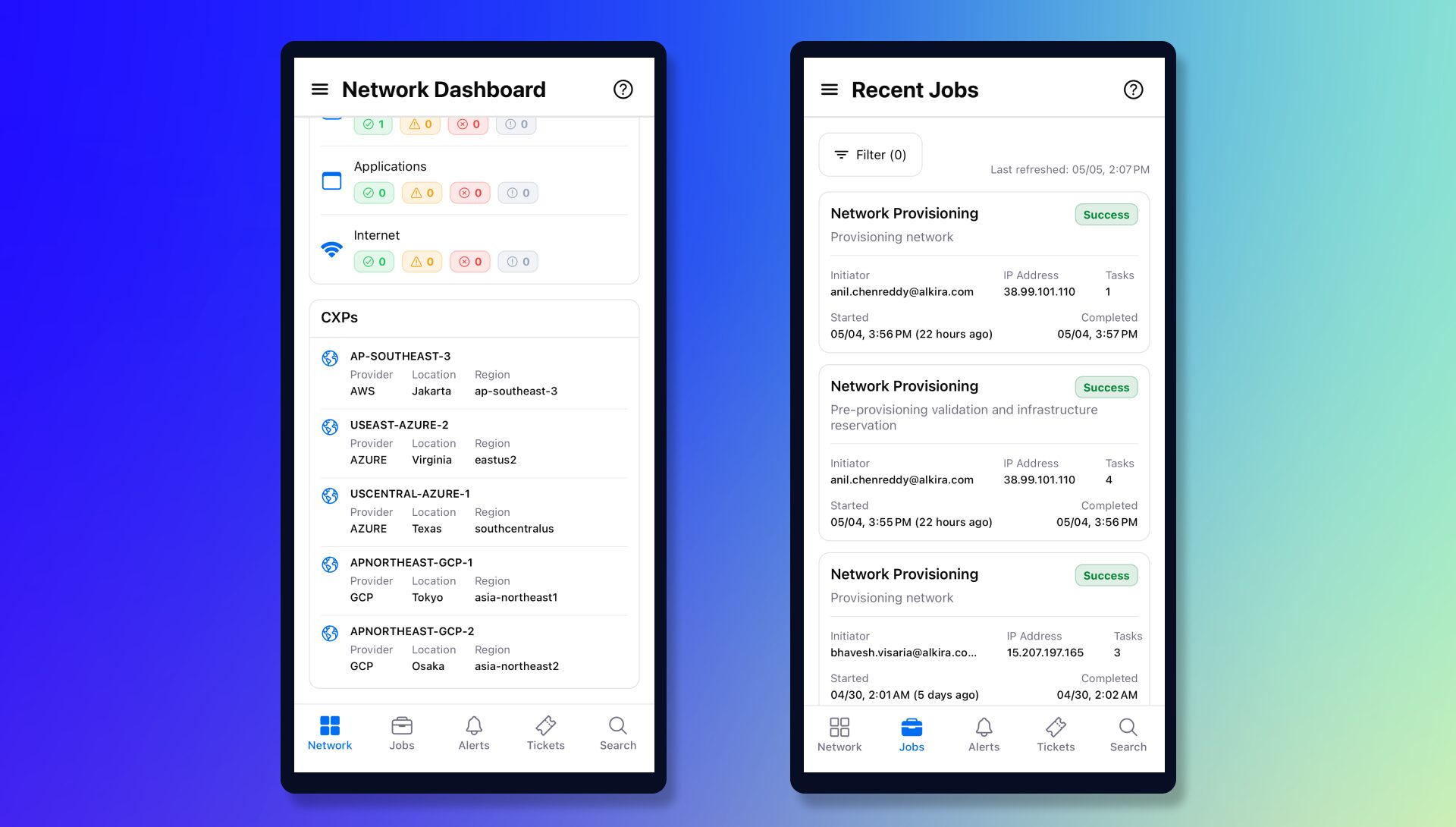
Enterprise networks are expected to run 24/7, and the teams responsible for them need visibility wherever work happens. Cloud environments, partner connections, security services, and provisioning workflows are constantly changing. When something needs attention, network and operations teams need a fast way to understand what happened, assess impact, and take the right next step. That...
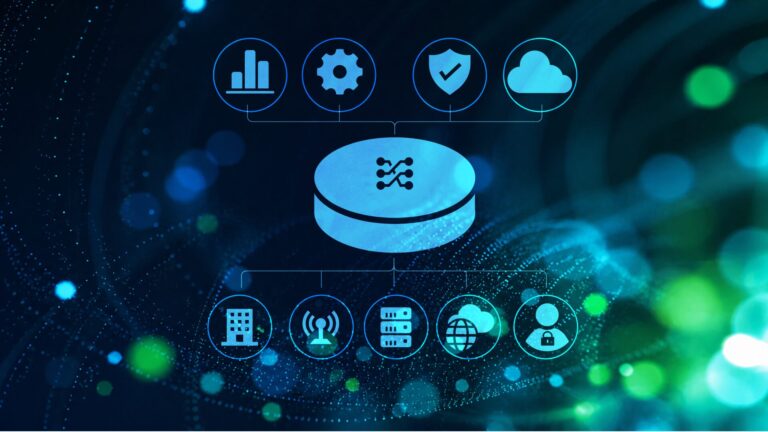
Enterprises are moving quickly on AI, but many are still running networking models designed for a slower, more centralized and static era. Today’s network has to connect clouds, data centers, campuses, branches, partner environments, and increasingly private AI infrastructure while enforcing consistent policy across all of it. That creates a new operational reality: every new...
The Digital Operational Resilience Act (DORA) is reshaping how financial institutions in the European Union manage operational risk related to information and communication technology (ICT). As the regulation takes effect, organizations must ensure that their critical ICT service providers support strong operational resilience, risk management, and oversight capabilities. For technology providers supporting financial institutions, this...