
Introducing Alkira MCP and Alkira NIA: Making Sure Your Network Is Ready For What’s Coming Next

Enterprises are adopting agentic AI at record speed and are not waiting for the network to catch up. Our customers are racing to stand up AI—safely, predictably, and fast. The bottleneck isn’t model choice, but rather the network track that’s required to connect models, data and applications together. As assistants spread across teams and tools, the hard part isn’t just figuring out the answer—it’s how fast you can get the answer and execute to an outcome you want. Teams tell us they need three things: hyper-agile and on-demand network elasticity to meet AI adoption, a consistent and secure architecture that spans different environments as AI shifts to edge/colo/cloud, and operations that don’t balloon under AI’s load or erode confidence. That’s the bar we designed for.
What We’re Launching
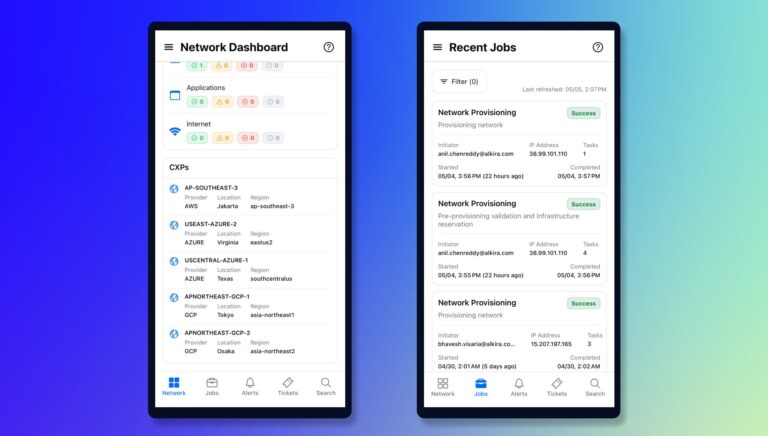
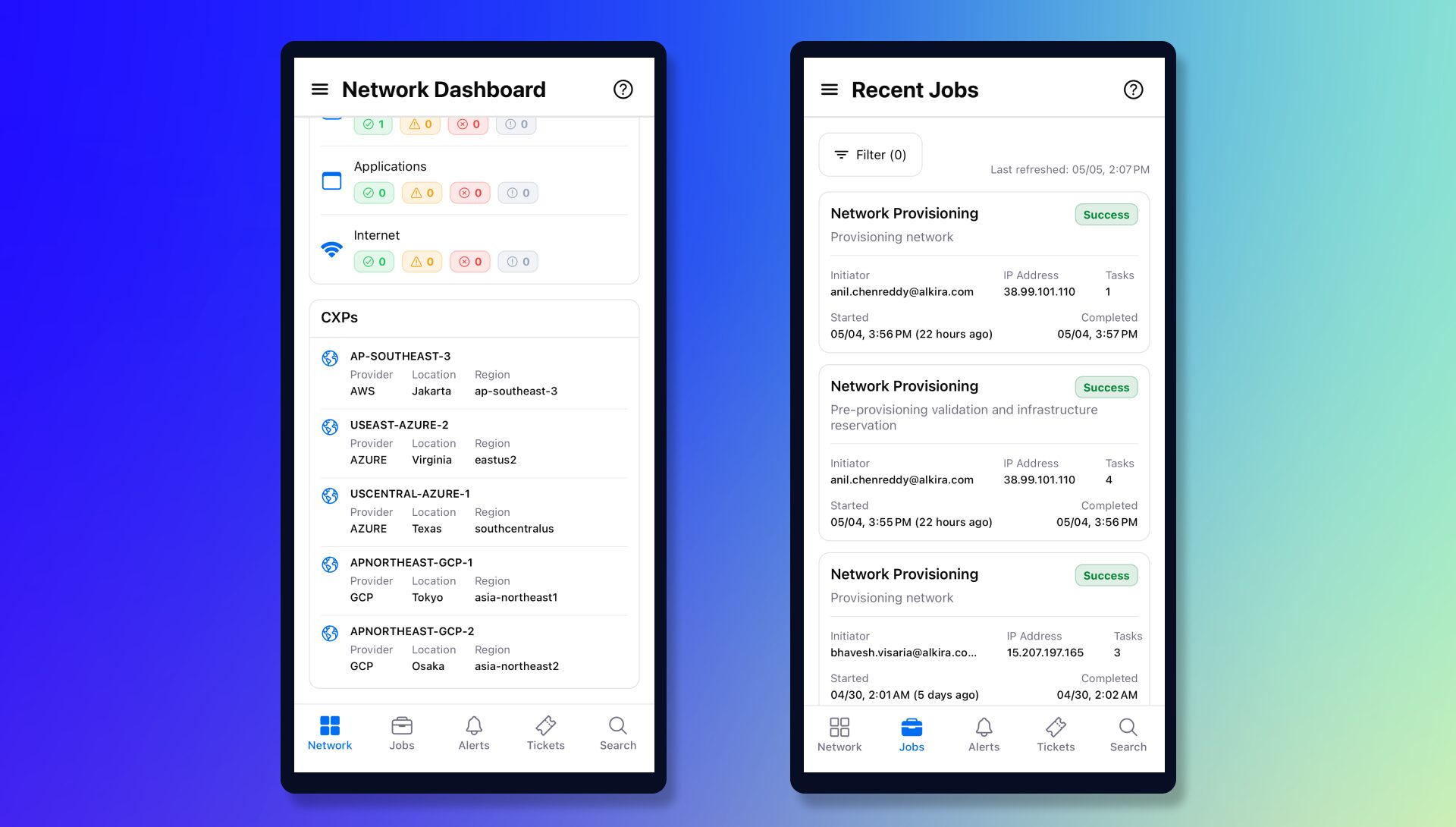
Today we’re introducing two tightly coupled capabilities: Alkira MCP Server and Alkira NIA (Network Infrastructure Assistant). Alkira MCP Server is how AI agents talk to your network—safely. It makes Alkira’s authoritative control-plane intelligence natively available to AI platforms. Alkira NIA is the guided in-platform co-pilot that turns that intelligence into safe, auditable, plain-English actions and answers. Together, they enable plain-English queries and policy-governed execution in Alkira’s UI or with the assistant your team already uses and trusts.
Built on a Fabric You Consume, Not Build
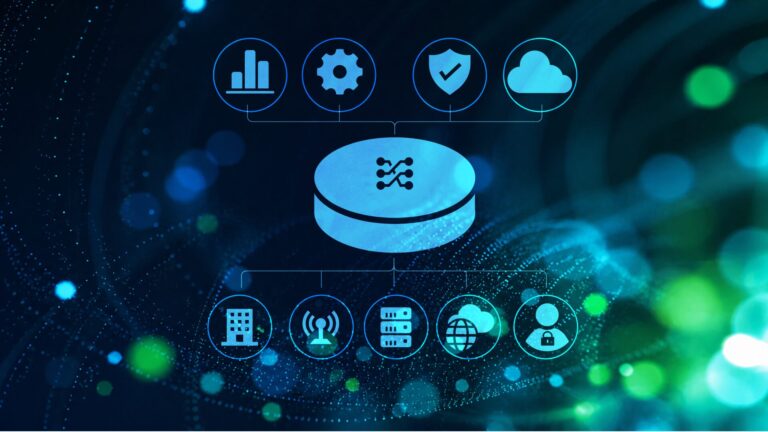
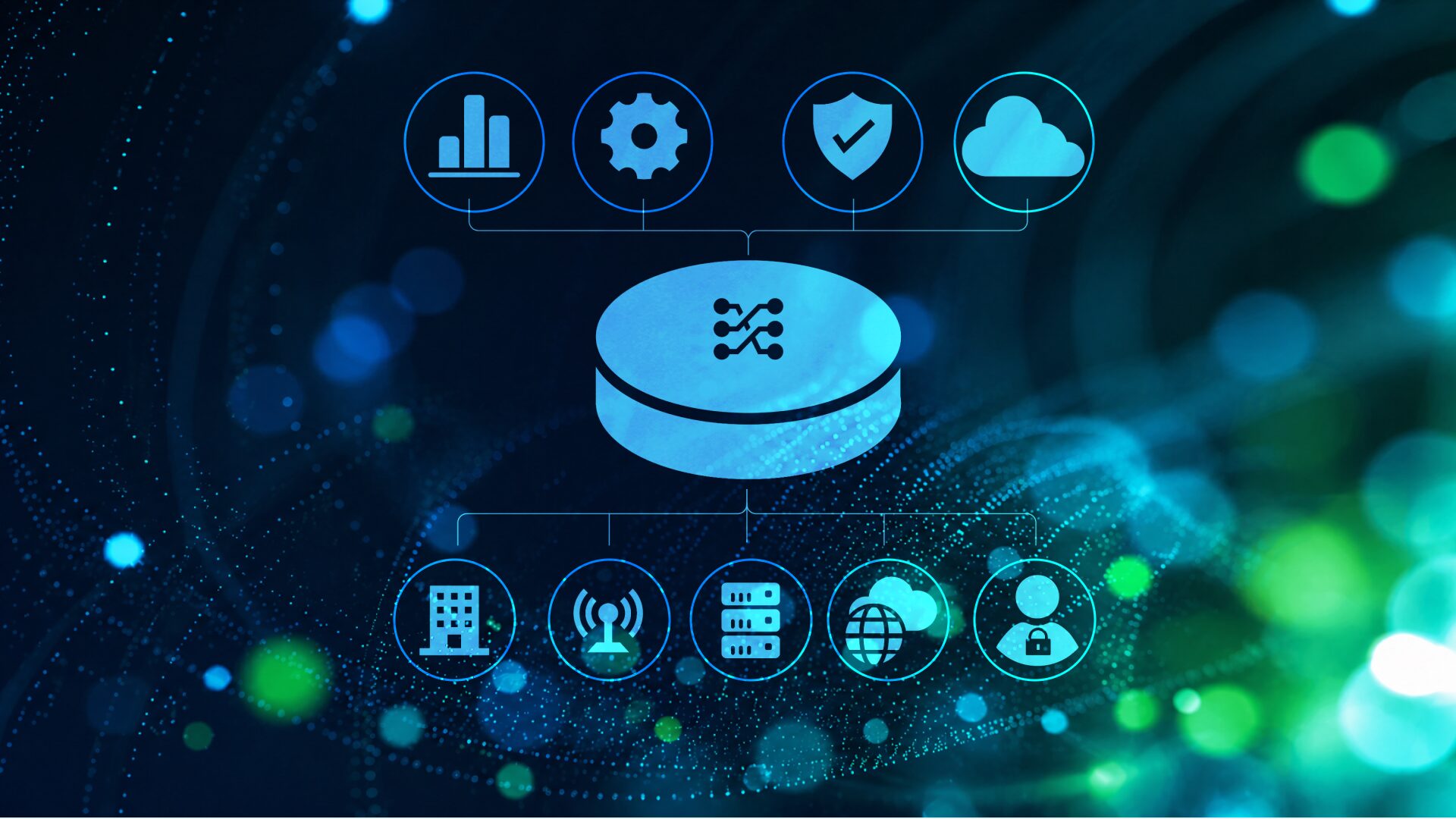
All of this sits on Alkira’s AI-Native Network Infrastructure-as-a-Service: a global fabric delivered as a service with no hardware to buy or endpoint agents to manage. Our Cloud Exchange Points (CXPs) interconnect AI data centers/colos, clouds, remote users, and edge sites—with segmentation and policy built-in—and let you insert network services in-fabric when you need deeper inspection (NGFW, DDI, load balancing). One single design & operations plane carries your intent, observability, and change control end-to-end.
Why Now
- AI is going everywhere: agents embedded in ITSM, chat, CI/CD, SecOps.
- Networks and workloads are not only distributed, but dynamic and diverse: AWS/Azure/GCP and private clouds; AI data centers and colocation hubs; factories, retail stores, and 5G edge; ERP and mainframes alongside containerized microservices; ultra-low-latency workloads, GPU clusters, and data pipelines.
- Risk rises with complexity: you need answers fast, simple, and secure.
What This Changes for You
- Troubleshooting at the speed of a question. “Latency spike in east → finance flows?” Alkira NIA maps symptoms to fabric context, surfaces likely causes, proposes policy-safe next steps—auditable before execution.
- Operational visibility without dashboard spelunking. “Where are we nearing capacity?” “Which inter-region routes deviate from policy?” Get explainable answers from live control-plane truth.
- Compliance on demand. Generate scoped, role-aware evidence (e.g., segmentation posture for BU-A) without scripting.
- Configuration clarity. “Explain this connector.” Get why it exists, how traffic is steered, and which policies apply—grounded in your environment.
Why it’s Safe
Alkira MCP and Alkira NIA inherit Alkira’s RBAC, audit, and security frameworks—so the same guardrails that govern your changes today govern AI-assisted interactions tomorrow. You get conversational access without compromising least-privilege reachability, segmentation, or intent verification the fabric already enforces. No shadow connectors. No bypassed review.
Why it’s Different
Point tools give snippets, not the story. Alkira pulls together everything—on-prem, multicloud, between regions—into one reliable picture and lets your in-platform copilot or trusted AI assistants use it to help gain a faster path from observation → action → verification.
Customer-First Design Principles
- Time-to-impact, not tools. If it doesn’t compress MTTR or Day-2 effort, it doesn’t ship.
- Human-in-the-loop by default. AI recommends, you approve, the fabric verifies and enforces.
- Choice preserved. Bring your AI assistant of choice today—and tomorrow—via MCP.
- Security native to the track. Clean segmentation and portable policy, with in-fabric service chaining when you need DPI.
A Few Concrete Examples
- “Show inter-region paths violating finance segmentation.” → Alkira NIA returns the flows, the current policy graph, and a proposed fix as an approved change set.
- “Capacity hot spots in the next 30 days?” → Forecasted thresholds and suggested scale-out at the relevant CXPs.
- “Generate audit evidence for BU-A private access.” → One artifact, aligned to your RBAC scope.
The Bigger Picture
Our philosophy is simple: AI is the engine. Data is the fuel. Alkira is the secure track. We’re making the track consumable as a service, building guardrails into the fabric, and exposing trustworthy network intelligence to the assistants your teams already use—so you can run AI at full speed without re-architecting your network every time the landscape shifts to edge, new AI data centers, or the next cloud.
Questions I Ask Every Customer
- Is your network ready for the AI era—and what comes after?
- Can any assistant ask your network anything and get a governed, auditable answer?
- Do you require proof-of-change for every AI-proposed action?
- When edge growth accelerates, will you consume the track—or try to rebuild it?
Additional Resources
If you’re evaluating Alkira, we’ll demonstrate Alkira MCP or Alkira NIA on your requirements—policy-safe, role-aware, and measurable. Your AI ambitions don’t need a new network. They need a better track.
To learn more, read our Solution Brief.
Read the official PR announcement.

Manan Shah | Alkira