

The Digital Operational Resilience Act (DORA) is reshaping how financial institutions in the European Union manage operational risk related to information and communication technology (ICT). As the regulation takes effect, organizations must ensure that their critical ICT service providers support strong operational resilience, risk management, and oversight capabilities.
For technology providers supporting financial institutions, this shift reinforces an important reality: resilience and security is no longer optional, it must be built into the architecture, operations, and governance of digital platforms from day one.
At Alkira, we recognize that and as a network infrastructure-as-a-service provider, Alkira is committed to supporting our customers’ compliance obligations under DORA.
Understanding DORA and ICT Third-Party Providers
DORA establishes a unified framework for managing ICT risk across financial entities operating in the EU. A key component of the regulation is the oversight of ICT third-party service providers, which includes cloud providers, software vendors, and infrastructure platforms like Alkira that support financial institutions’ technology environments.
Financial institutions must ensure their ICT providers:
- Maintain strong security and operational resilience controls
- Support risk management and incident reporting processes
- Resilience built into the architecture
- Provide transparency through audits and assurance mechanisms
- Operate under contractual arrangements that define oversight rights
Because Alkira provides networking infrastructure also used to connect and operate workloads across cloud environments, our platform may fall within the scope of ICT third-party providers for customers subject to DORA.
Alkira’s Security and Compliance Foundation
Alkira is built as a born-in-the-cloud network infrastructure-as-a-service platform, operating on leading cloud service provider infrastructure. Our security program aligns with recognized industry frameworks and standards designed to ensure the confidentiality, integrity, and availability of customer environments.
Key elements of Alkira’s security and compliance posture include:
- Independent SOC 2 Type II assurance covering security, availability, and confidentiality controls
- Strong identity and access management with multi-factor authentication and role-based access control
- Secure development and change management practices
- Continuous monitoring, incident response, and operational resilience processes
- Reliance on cloud service providers with globally recognized certifications
These controls support financial institutions in demonstrating that their ICT providers maintain appropriate security and operational governance.
Supporting DORA Oversight and Audit Requirements
DORA requires financial entities to maintain oversight of their ICT third-party providers. Alkira supports this requirement through a structured approach that balances transparency with security best practices.
Customers can rely on:
- Independent third-party assurance reports, including SOC 2 Type II
- Documented security policies and operational processes
- Due diligence support during vendor risk assessments
- Structured processes for addressing customer audit or compliance inquiries
Evidence such as SOC 2, PCI-DSS reports and security documentation can be provided under NDA as part of the customer due diligence process.
Operational Resilience Built into the Platform
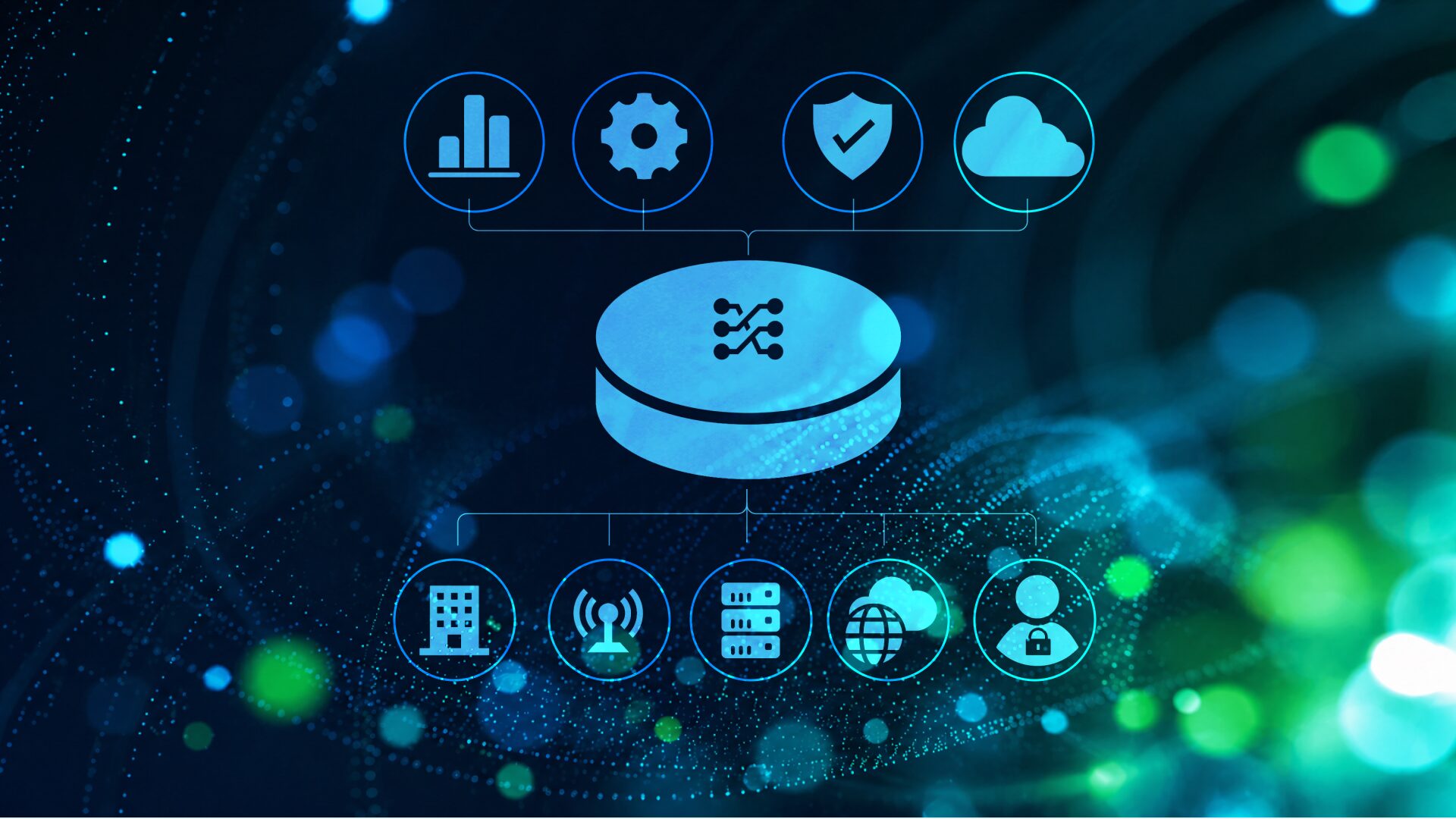
Operational resilience is a core principle behind Alkira’s architecture. Our platform is designed to support resilient network connectivity across multi-cloud and hybrid environments while enabling customers to maintain visibility and control.
Key capabilities include:
- Distributed architecture designed for high availability
- Secure connectivity across all your connections and within the internal infrastructure
- Monitoring and alerting mechanisms to detect operational issues
- Incident response processes designed to rapidly identify and mitigate service disruptions
These capabilities help financial institutions maintain the digital operational resilience that DORA aims to achieve.
Partnering with Customers on Regulatory Compliance
Regulatory frameworks like DORA reflect a broader shift in financial services: operational resilience is now a shared responsibility across the entire technology ecosystem.
Financial institutions remain responsible for their regulatory obligations, but trusted technology providers play a critical role in enabling secure and resilient digital operations.
At Alkira, we view compliance not simply as a regulatory requirement but as a design principle for modern cloud infrastructure. As financial institutions continue to modernize their networks across hybrid and multi-cloud environments, they need technology partners that prioritize security, reliability, and transparency.
That is why Alkira works closely with customers’ security, risk, and compliance teams to support vendor risk management, regulatory due diligence, and ongoing oversight activities.
By combining enterprise grade networking infrastructure-as-a-service with strong operational security practices, Alkira helps organizations adopt modern infrastructure while supporting the operational resilience required by today’s regulatory landscape.
Looking Ahead
As regulatory expectations continue to evolve, Alkira remains committed to maintaining strong security practices and supporting customers operating in regulated environments.
By combining networking capabilities with robust security and compliance practices, Alkira helps organizations build resilient infrastructure that aligns with modern regulatory frameworks such as DORA.
FAQs

Misbah Rehman